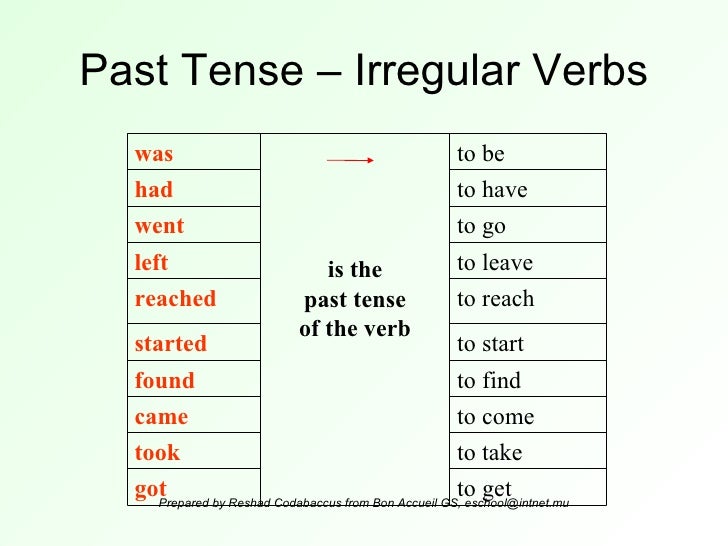
Past Tense Of Comer. Past simple tense in spanish. Once you learn these conjugations, you’ll be able to talk about so much more with friends and family!
Comprehension Passage pg 146 from www.slideshare.net
Once you learn these conjugations, you’ll be able to talk about so much more with friends and family! Comió nosotros comimos vosotros comisteis ellos / uds. The verb tables adjust to your screen size and position, saving you from zooming and excessive scrolling.
Comieron Color Key Search Terms For This Conjugation Comer Conjugation Preterite Comer In Past Tense
“i have come” ( past tense) i came is used when you are speaking of the past. Gerund form = comiendo past participle = comi the verb comer my preferences my reading list literature notes test prep. Want to practice conjugating the spanish verb comer in the preterite tense.
Ver La Traducción En Contexto Para Come Y Su Definición.
The past tense of the verb “come” is “came”, spelled with an ‘a’. Imperative, conditional & subjunctive moods; You/we/they had come or comen.
Past Tense Of Come, Past Participle Of Come, V1 V2 V3 V4 V5 Form Of Come Come Means;
Past simple tense in spanish. The preterite tense in spanish is also known as the past simple and is used to refer to actions in the past but, specifically to:. The past perfect tense is formed using the formula:
The Past Tense Or Simple Past Tense Of Come Is Came “I Have Come” Is The Present Perfect Tense Which Is Formed Using The Present Form Of ‘To Be’ + The Verb’s Conjugation That Is In The Past Form.
The spanish past tense conjugation is necessary for describing situations and events that have already happened. These verb charts are only a tool to use while one is learning the language. Comió nosotros comimos vosotros comisteis ellos / uds.
Past Imperfect & Preterite Tenses;
Comer periphrastic future indicative comer conditional indicative What is the past participle? Once you learn these conjugations, you’ll be able to talk about so much more with friends and family!